Comprehensive Guide to Machinery Installation and Repair


Understanding Machinery Installation
Machinery installation is a critical process that requires precision and expertise. Proper installation ensures that machinery operates efficiently and safely. It involves a series of steps that include site preparation, machinery alignment, and calibration. Each of these steps is crucial to ensure that the machinery functions as intended.
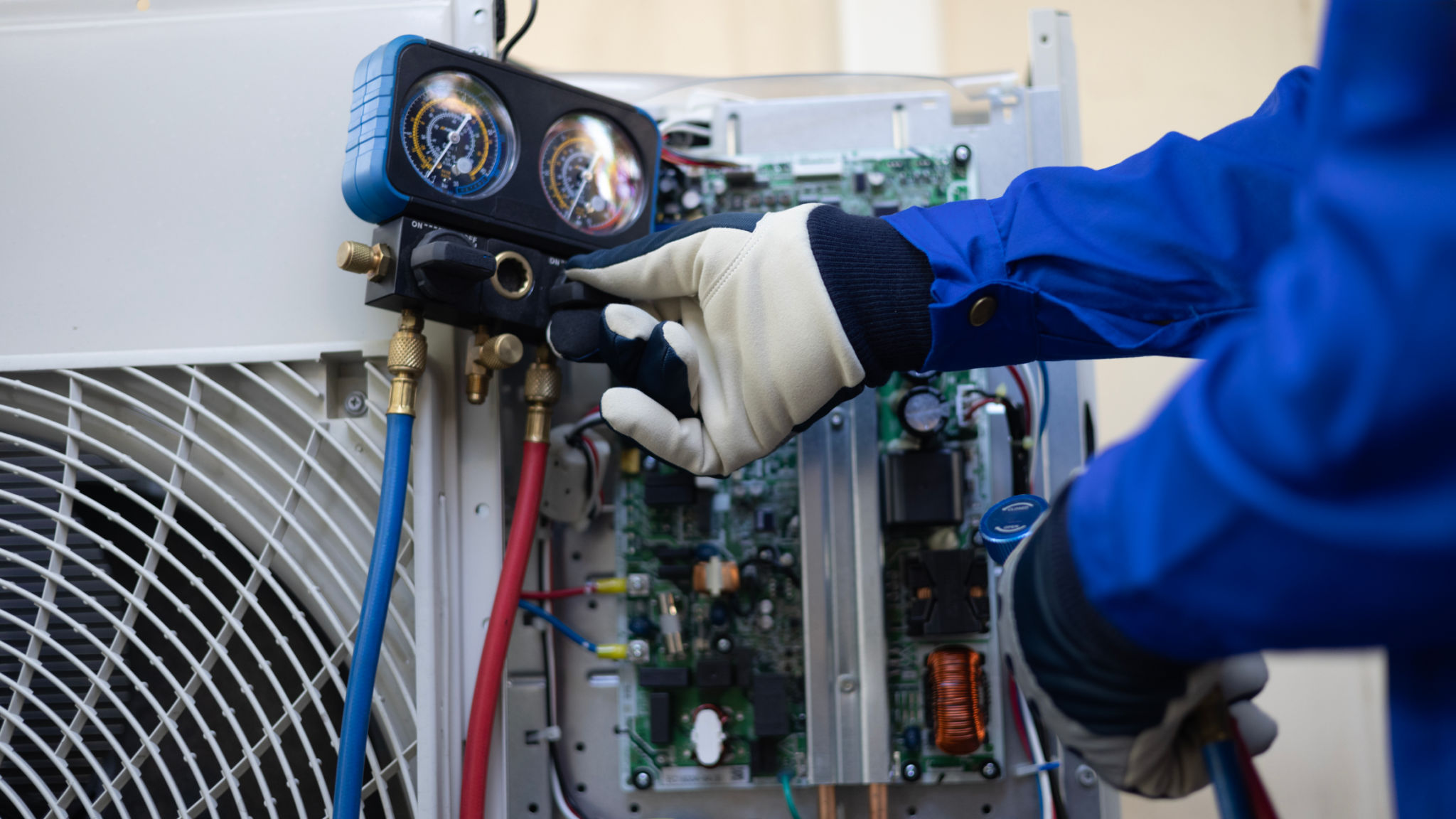
Before installation, it's essential to conduct a thorough site assessment. This involves evaluating the space, ensuring adequate power supply, and confirming that the environment is suitable for the specific machinery. A detailed plan can prevent potential issues and streamline the installation process.
Site Preparation
Preparing the site is a foundational step in machinery installation. This involves clearing the area of any debris, ensuring proper ventilation, and confirming that flooring can support the machinery's weight. Additionally, it's important to verify that all necessary utilities, such as electricity and water, are available and accessible.
Key Steps in Machinery Repair
Repairing machinery requires a strategic approach to identify, diagnose, and fix issues effectively. The first step in any repair process is troubleshooting. By understanding the symptoms and potential causes, technicians can pinpoint the problem more accurately.
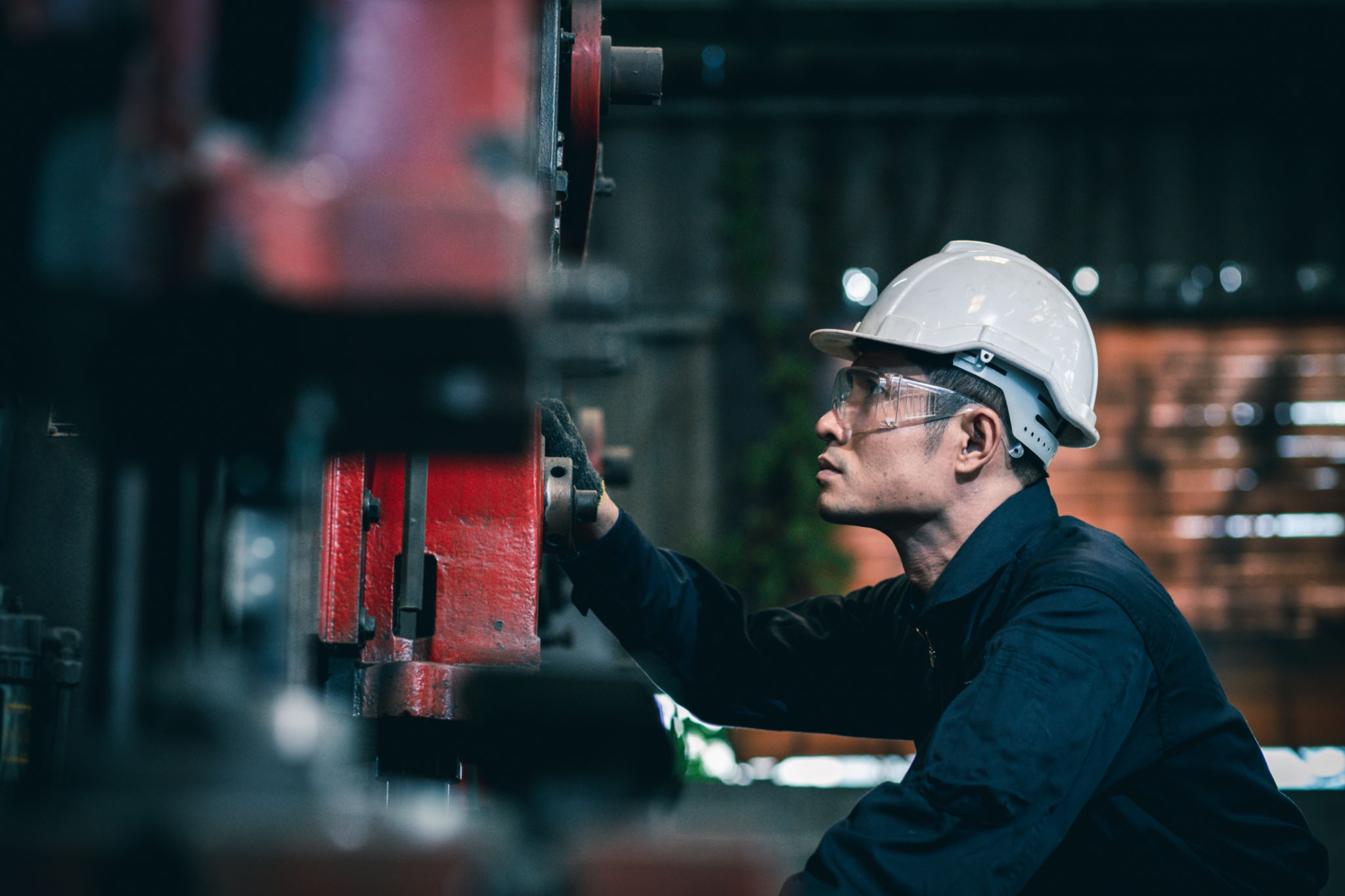
Once the issue has been identified, the next step is to assess whether the repair can be done on-site or if the machinery needs to be transported to a repair facility. In many cases, minor repairs can be handled on-site, saving time and reducing downtime.
Troubleshooting Techniques
Troubleshooting is an essential skill for anyone involved in machinery repair. This involves a systematic approach to identify the root cause of a malfunction. Technicians often use diagnostic tools and equipment manuals to assist in this process. Understanding common issues and their solutions can expedite repairs.
Maintenance: A Proactive Approach
Preventative maintenance is key to extending the lifespan of machinery and reducing the need for repairs. Regular checks and servicing can identify potential issues before they become significant problems. This proactive approach not only saves money but also minimizes downtime.
Establishing a maintenance schedule is crucial. This schedule should include regular inspections, lubrication of moving parts, and the replacement of worn components. Keeping detailed records of maintenance activities can help track the machinery's performance and identify trends over time.
Choosing the Right Professionals
Whether for installation or repair, selecting the right professionals is critical. Experienced technicians bring knowledge and skills that can make a significant difference in the outcome. Look for professionals with relevant certifications and a proven track record in handling similar machinery.
In conclusion, machinery installation and repair are complex processes that require careful planning and execution. By understanding the key steps and techniques involved, businesses can ensure their machinery operates smoothly and efficiently, minimizing downtime and maximizing productivity.