Innovations in Structural Fabrication for Modern Architecture


The Rise of Prefabrication in Architecture
In recent years, prefabrication has become a significant trend in the world of architecture. This innovative approach involves manufacturing building components off-site and then transporting them to the construction location for assembly. The process not only speeds up construction but also enhances precision and reduces waste.
Prefabrication allows for greater quality control, as components are produced in a controlled environment. This method has been particularly beneficial for large-scale projects, where efficiency and accuracy are paramount. The technology is evolving rapidly, offering architects and builders new possibilities for creative design.

3D Printing: A Revolutionary Tool
3D printing is revolutionizing structural fabrication by allowing architects to create complex structures that were previously impossible or too costly to produce using traditional methods. This technology employs digital models to produce physical objects, layer by layer, with remarkable detail and precision.
One of the significant advantages of 3D printing is its ability to use various materials, including concrete, metal, and polymers. This flexibility opens up new avenues for innovative designs and sustainable building practices, as it minimizes material waste and energy consumption.

Advanced Materials in Modern Architecture
Modern architecture is increasingly leveraging advanced materials to enhance building performance and aesthetics. Materials like carbon fiber, advanced glass, and smart materials are becoming more prevalent in both residential and commercial construction.
Carbon fiber, known for its strength and light weight, is being used in structural applications where traditional materials might fall short. Meanwhile, advancements in glass technology have led to energy-efficient windows that can adapt to changing light conditions, improving both comfort and energy use.

Robotics in Structural Fabrication
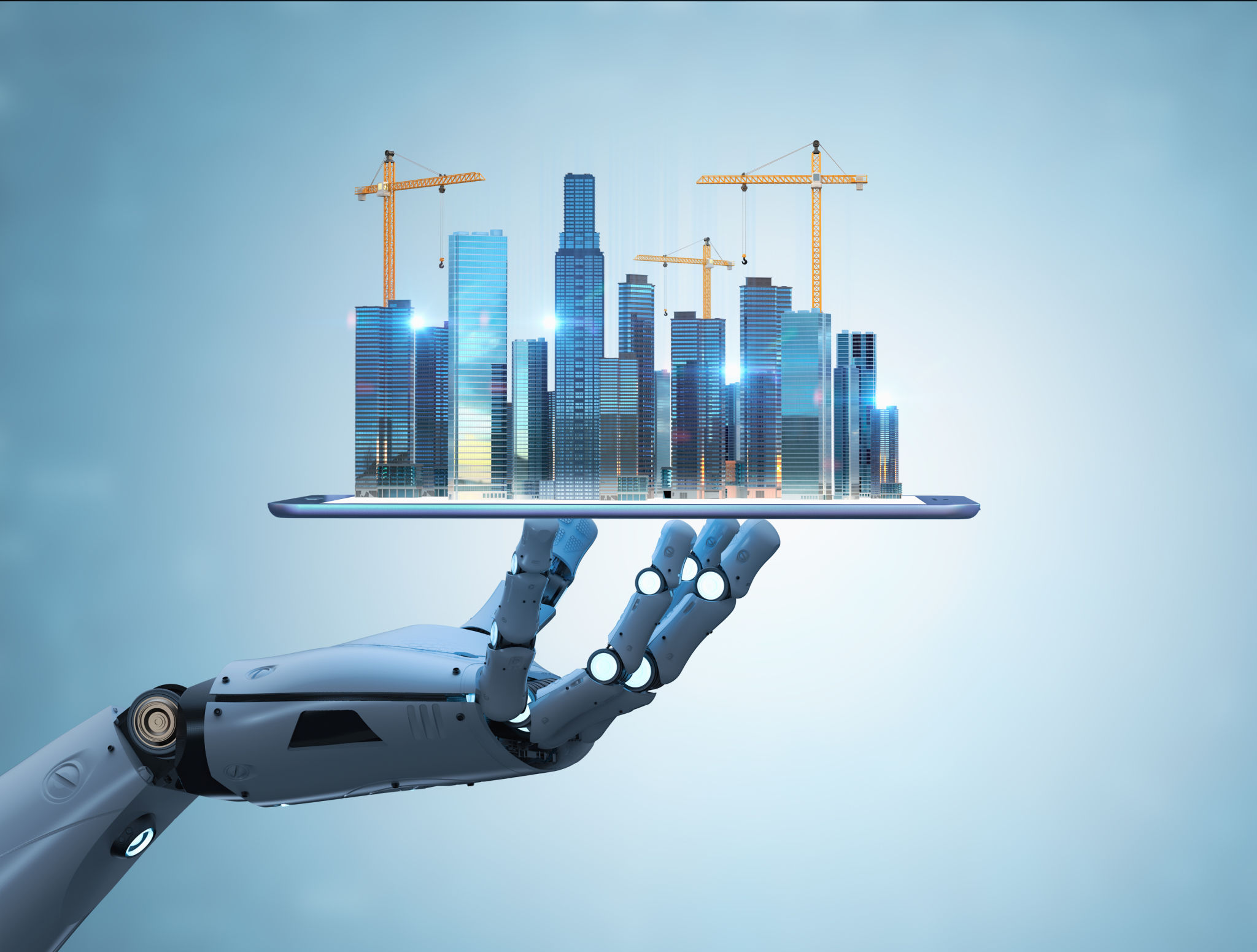
The integration of robotics into structural fabrication is transforming the construction industry. Robots are being used for tasks such as welding, bricklaying, and even painting, leading to increased efficiency and safety on construction sites.
Robotic technology not only enhances precision but also allows for the execution of complex designs that may be challenging for human workers. As technology continues to advance, we can expect robots to play an even more substantial role in construction projects.
The Future of Modular Construction
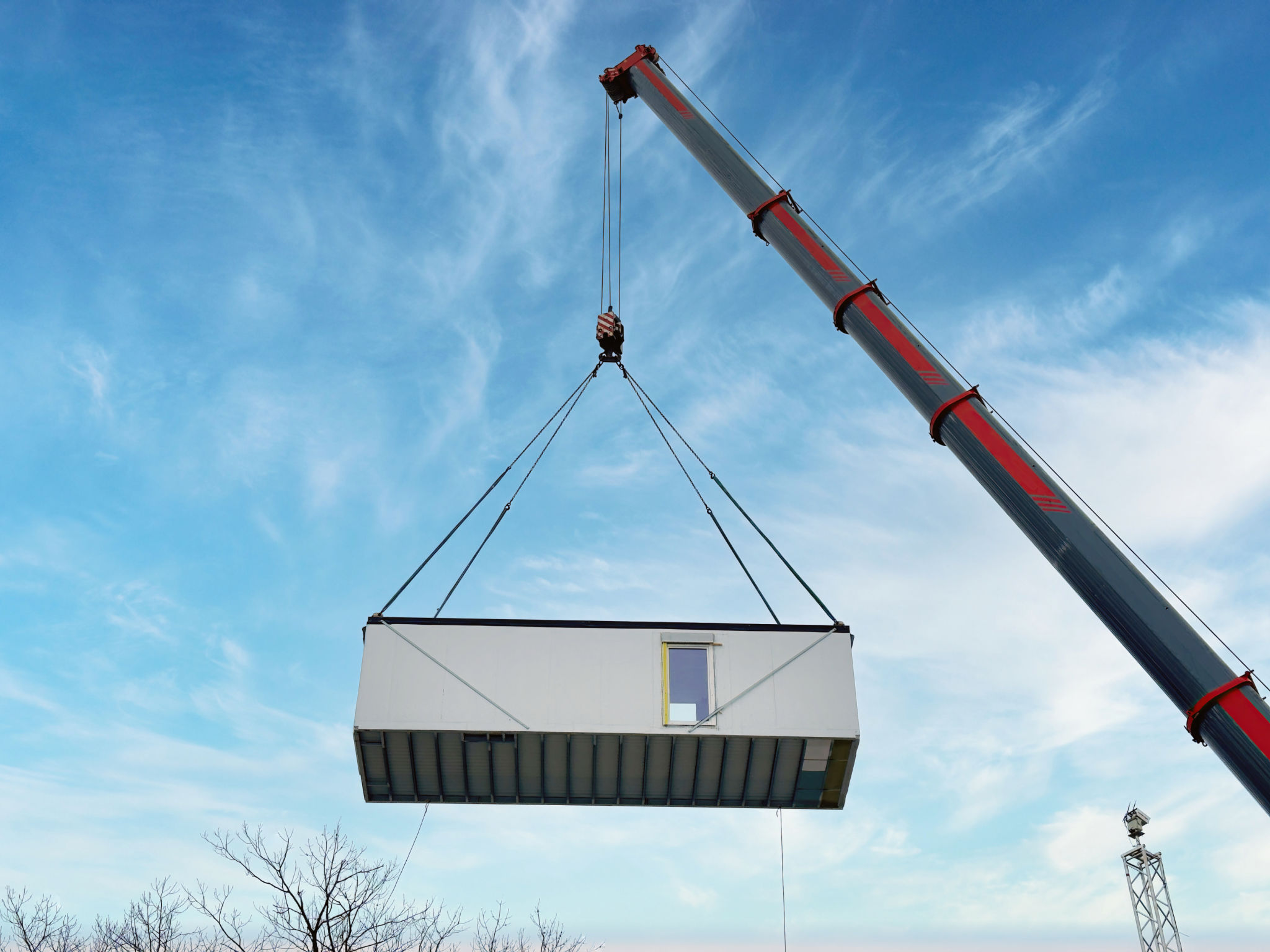
Modular construction is another innovative approach that is gaining traction. This method involves creating entire sections of a building in a factory setting and then assembling them on-site. It offers numerous benefits, including reduced construction time, cost savings, and improved quality control.
As urbanization continues to rise, the demand for efficient and sustainable building solutions is driving the popularity of modular construction. It offers an excellent solution for rapidly expanding urban areas, providing affordable and high-quality housing options.
Sustainability Through Innovation
Incorporating sustainability into modern architecture is more critical than ever. Innovations in structural fabrication are enabling architects and builders to create eco-friendly buildings that minimize environmental impact. Techniques such as using recycled materials, energy-efficient designs, and sustainable construction practices are becoming standard.
These innovations not only benefit the environment but also offer economic advantages by reducing energy consumption and long-term maintenance costs. As the industry continues to evolve, sustainability will remain a central focus, driving further advancements in structural fabrication.

Conclusion
Innovations in structural fabrication are reshaping the landscape of modern architecture. From prefabrication and 3D printing to advanced materials and robotics, these technologies are enabling architects to push the boundaries of design and efficiency.
As these innovations continue to develop, the future of architecture promises to be more exciting and dynamic than ever, offering endless possibilities for creative expression and sustainable living.