Metal Cutting and Bending Services: What You Need to Know


Understanding Metal Cutting and Bending Services
Metal cutting and bending are essential processes in the manufacturing and construction industries. Whether you're working on a large-scale construction project or a small DIY task, understanding these services can help you achieve precision and efficiency. In this post, we'll explore the basics of metal cutting and bending, the techniques involved, and how to choose the right service provider.
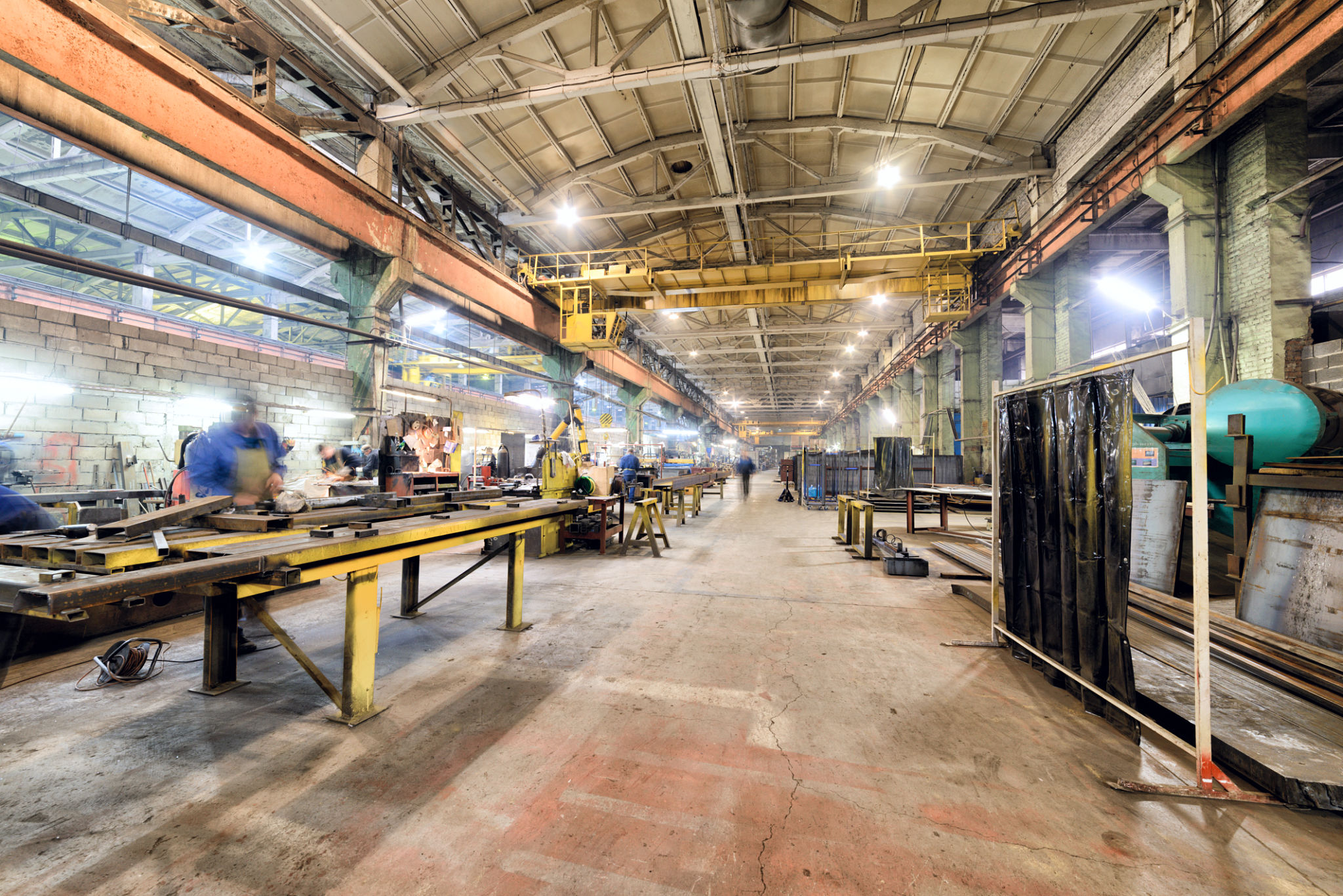
What is Metal Cutting?
Metal cutting involves removing material from a workpiece to shape it into the desired form. Several techniques can be used, each with its own advantages. Common methods include laser cutting, plasma cutting, and waterjet cutting. These techniques offer different levels of precision and are suited to various types of metals.
Laser cutting uses a focused beam of light to cut through metal with extreme precision. It's ideal for intricate designs and offers a smooth finish. Plasma cutting, on the other hand, uses an electrically conductive gas to cut through thicker materials. Waterjet cutting employs high-pressure water mixed with abrasives to slice through metal without generating heat, making it suitable for heat-sensitive materials.
Understanding Metal Bending
Metal bending is the process of deforming metal into a desired angle or shape. This is crucial for creating components that fit together seamlessly in larger structures. Techniques like press braking and roll bending are commonly used, each offering unique benefits depending on the project's needs.

Press braking involves using a machine press to bend the metal at specific angles. It's highly precise and works well for creating uniform bends. Roll bending, meanwhile, is used to create curved shapes and is often employed in the production of cylindrical objects like pipes and tubes.
Choosing the Right Service Provider
When selecting a metal cutting and bending service provider, consider a few key factors. First, evaluate their experience and expertise in handling projects similar to yours. Look at their portfolio and client testimonials to gauge their reliability and quality of work.
Next, assess the range of services they offer. A provider that offers multiple cutting and bending techniques can provide more customized solutions. Additionally, consider the technology and equipment they use. State-of-the-art machinery can ensure precision and efficiency, saving you time and money in the long run.
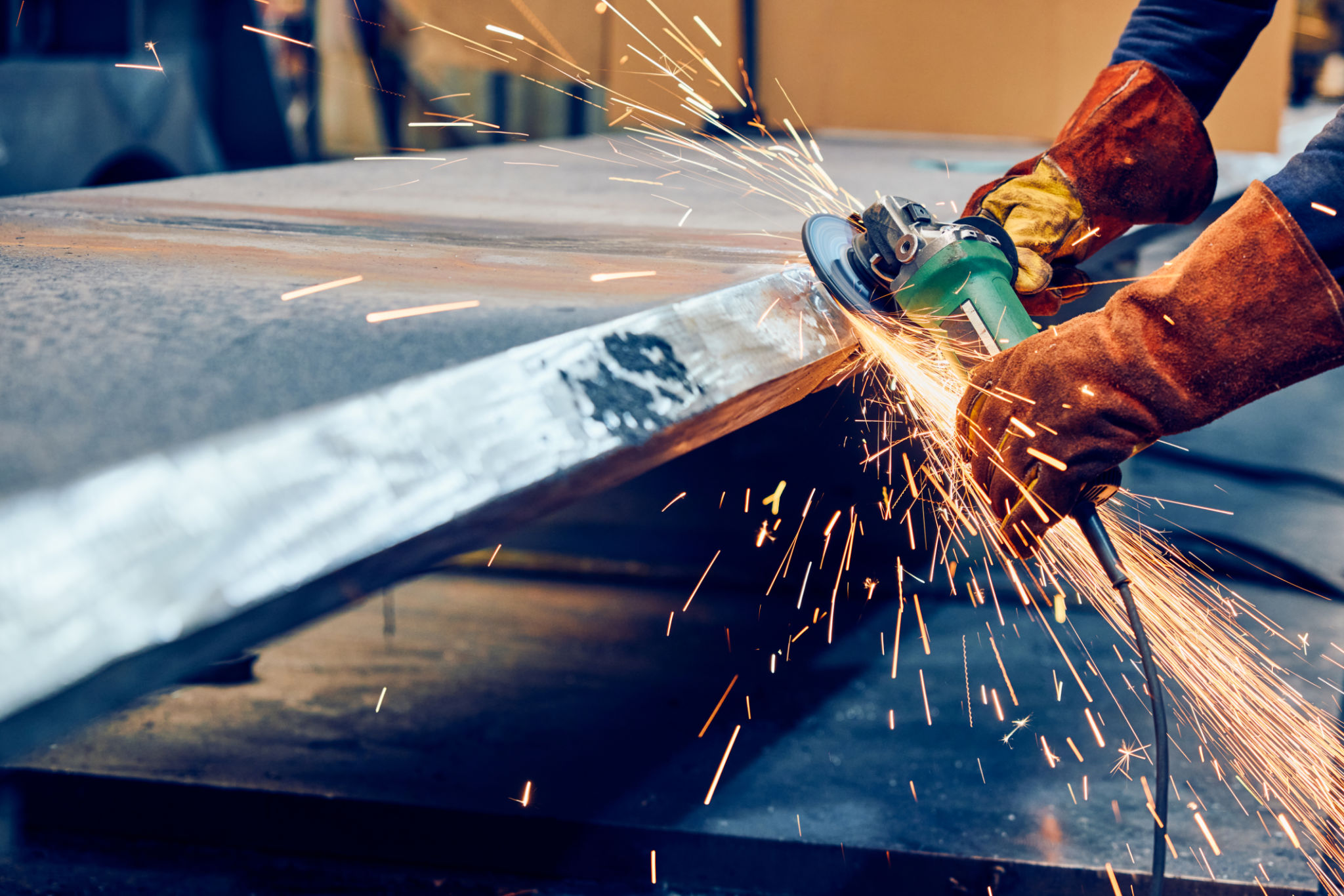
Applications of Metal Cutting and Bending
Metal cutting and bending services are utilized across various industries. In construction, these processes are essential for fabricating beams, columns, and brackets. In the automotive industry, they are used to create chassis components and engine parts. Additionally, the aerospace industry relies on these services for crafting lightweight yet strong components.
Understanding the specific requirements of your industry can help you communicate your needs more effectively to the service provider, ensuring optimal results.
Conclusion
Metal cutting and bending are vital processes that require precision and expertise. By understanding the different techniques and choosing the right service provider, you can achieve high-quality results. Whether you're working on a small project or a large-scale operation, these services can significantly enhance the efficiency and success of your endeavor.