Preparing Your Metal Structures for Seasonal Changes


Understanding the Impact of Seasonal Changes on Metal Structures
Metal structures are integral to many industries and face unique challenges with seasonal changes. As temperatures fluctuate, metals can expand and contract, leading to potential vulnerabilities. Understanding these impacts is essential for maintaining structural integrity and safety.
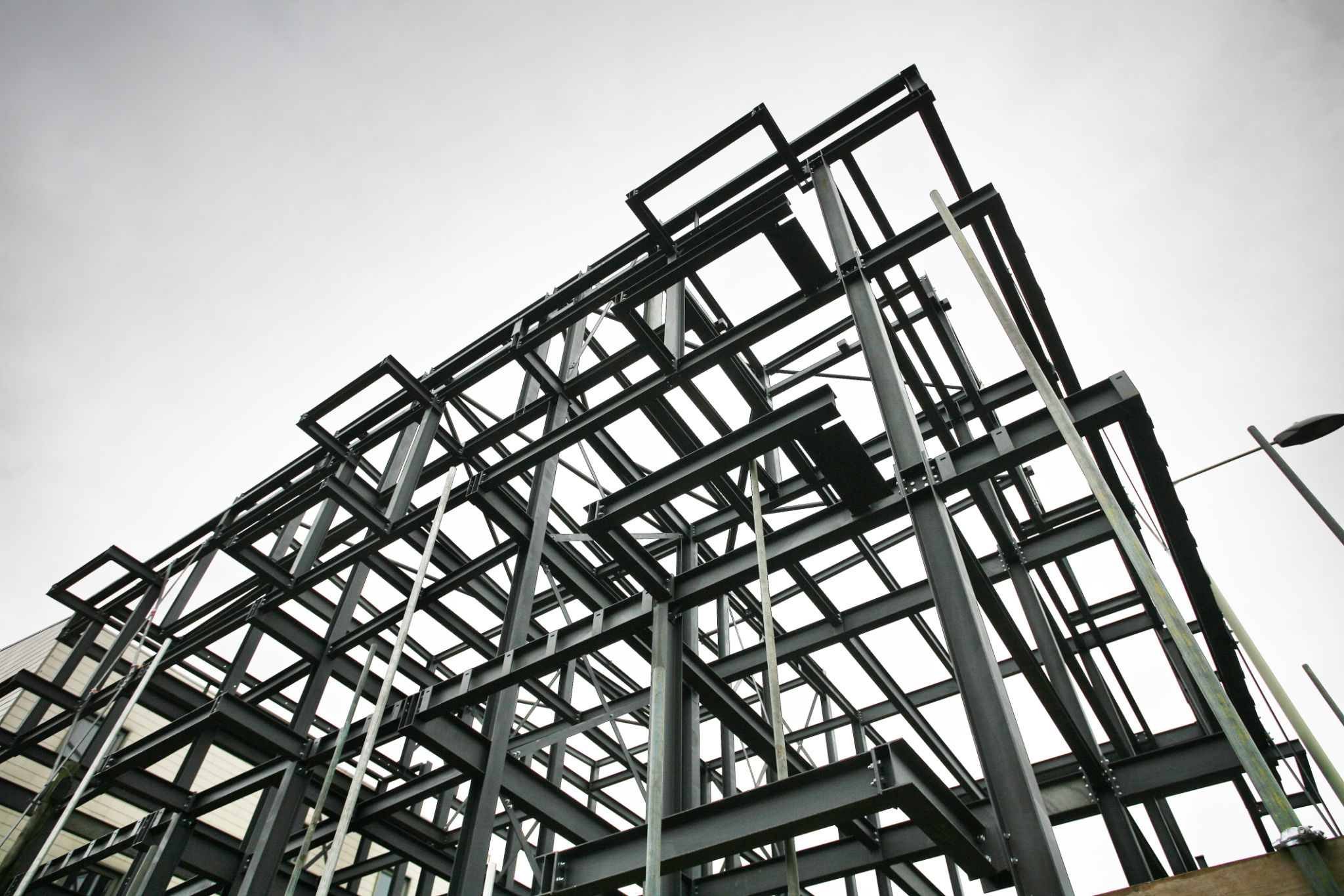
The Effects of Temperature Variations
Temperature changes can cause metal structures to expand in the heat and contract in the cold. This cyclical process may lead to stress fractures or warping over time. To prevent these issues, regular inspections are crucial, especially during the transition between seasons.
Protective Coatings: A First Line of Defense
Applying protective coatings is an effective way to shield metal structures from harsh weather conditions. These coatings help prevent corrosion and rust, ensuring longevity. Consider using weather-resistant paints or sealants to enhance protection.

Insulation and Ventilation Strategies
Proper insulation and ventilation can mitigate the effects of temperature fluctuations. Insulation helps maintain a stable internal temperature, while ventilation prevents moisture buildup, which can lead to corrosion. Assessing and upgrading these systems before seasonal changes can save significant repair costs.
Regular Maintenance and Inspection
Implementing a regular maintenance schedule is vital for detecting and addressing issues early. Inspections should focus on identifying signs of wear, rust, or stress points. Regular maintenance ensures that any necessary repairs are made before small problems become major concerns.
Material Selection and Design Considerations
Choosing the right materials and design can significantly impact a structure's resilience to seasonal changes. Materials with high thermal stability and corrosion resistance are preferable. Additionally, designs that accommodate expansion and contraction without causing stress can prolong structural life.

Adapting to Extreme Weather Conditions
In regions prone to extreme weather, additional precautions may be necessary. Reinforcing structures to withstand heavy snow, strong winds, or intense heat can prevent damage. It's crucial to adapt strategies based on specific environmental conditions.
Conclusion: Proactive Measures for Longevity
Preparing metal structures for seasonal changes involves a proactive approach that includes regular inspections, protective coatings, and strategic design choices. By taking these steps, you can ensure that your metal structures remain durable and safe throughout the year.