Seasonal Maintenance Guide: Preparing Your Equipment for Winter Challenges


As the winter months approach, it's essential to ensure that your equipment is ready to face the challenges that colder weather brings. Proper seasonal maintenance not only prolongs the life of your machinery but also ensures optimal performance when you need it most. This guide will walk you through key steps to prepare your equipment for winter.
Inspect and Clean Equipment
Before winter sets in, inspect all your equipment thoroughly. Look for any signs of wear and tear, such as cracks, rust, or loose parts, that could worsen in cold conditions. Cleaning your equipment is equally important. Remove any dirt, debris, or moisture that can lead to corrosion or mechanical issues.
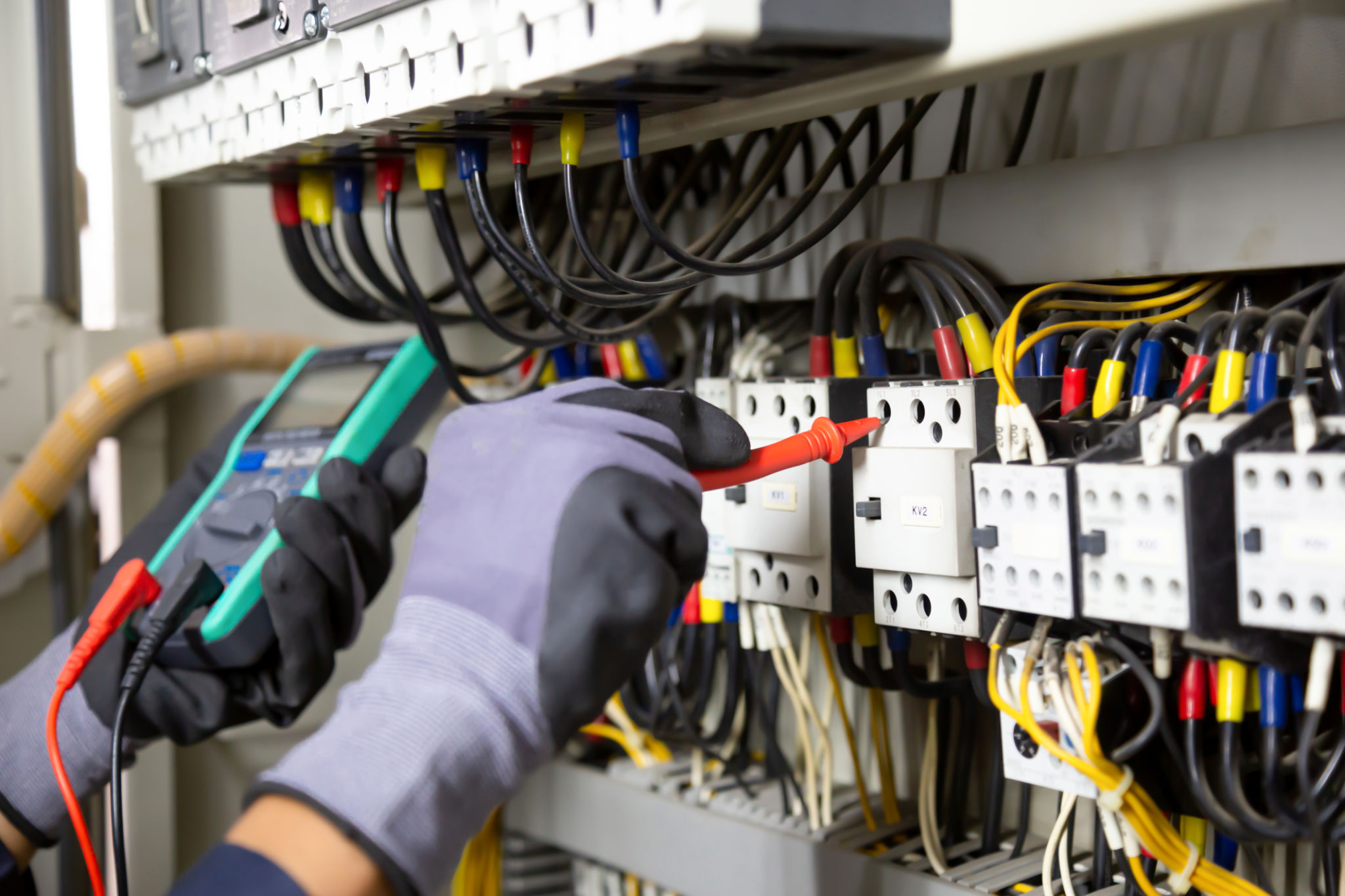
Pay special attention to parts like hoses and belts, as they are susceptible to brittleness in lower temperatures. Replacing these components before they fail is a proactive step that can save you from unexpected downtime.
Lubricate Moving Parts
Cold weather can cause lubricants to thicken, which may lead to increased friction and wear. Use winter-grade lubricants specifically designed to perform well in cold conditions. Apply these lubricants to all moving parts, including joints, bearings, and gears, to ensure they function smoothly throughout the winter.
Regular lubrication can prevent costly repairs and maintain the efficiency of your equipment, making it a crucial part of winter preparation.
Check and Replace Fluids
Fluids such as oil, coolant, and hydraulic fluid can be affected by cold temperatures. Check their levels and consistency, and replace them with winter-specific alternatives if necessary. Antifreeze is particularly important, as it prevents the engine from freezing and ensures the system operates efficiently.

Consult your equipment's manual for specific recommendations on fluid types and maintenance schedules to ensure optimal performance.
Battery Maintenance
Cold temperatures can significantly impact battery performance. Inspect the battery for any signs of corrosion or damage, and ensure that it is fully charged. Clean the terminals and apply a protective grease to prevent corrosion. If your equipment will sit unused for extended periods, consider using a trickle charger to maintain battery health.
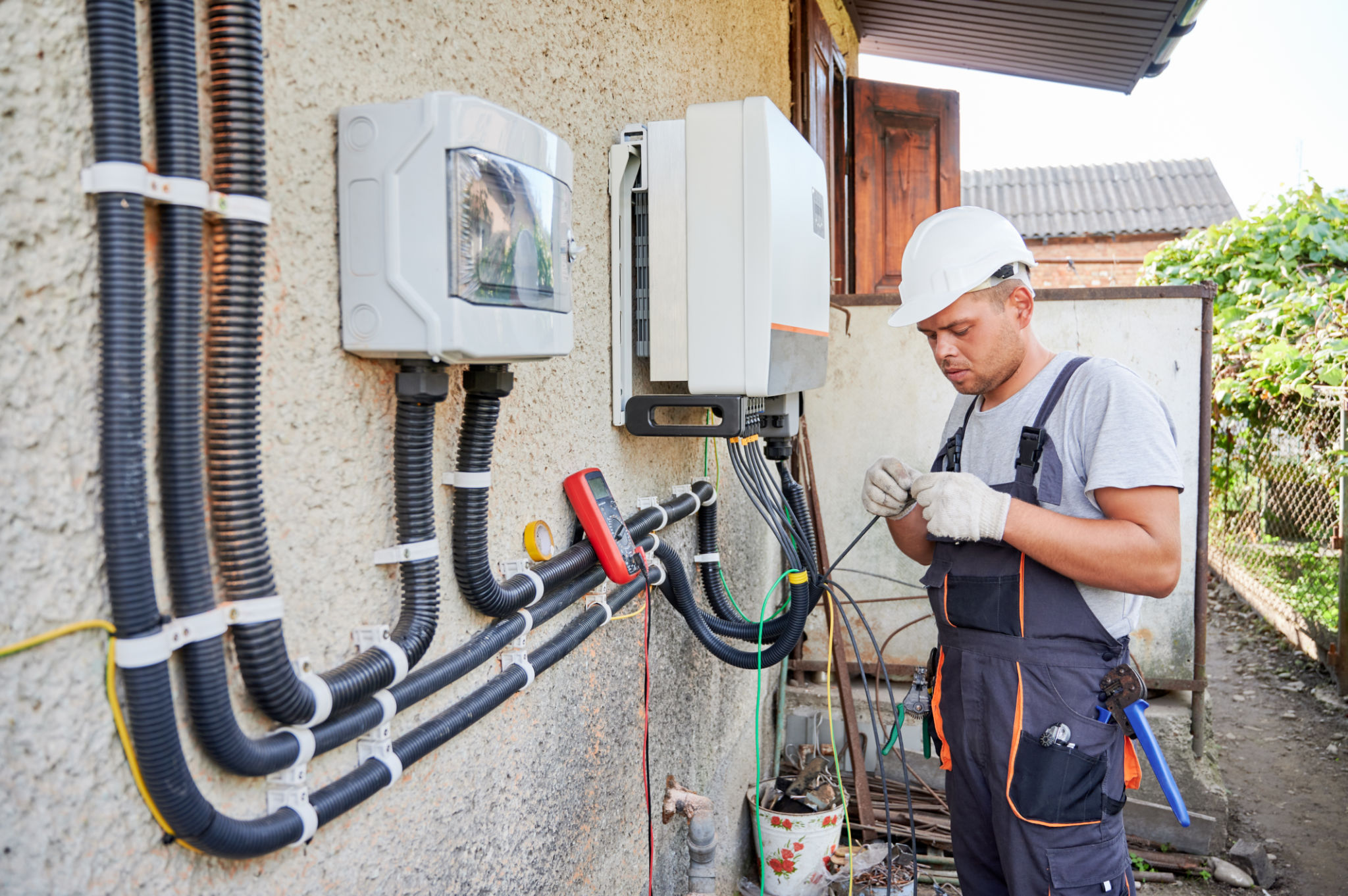
By taking these precautions, you can avoid the frustration of a dead battery when you need your equipment most.
Protective Storage
Whenever possible, store your equipment in a sheltered area to protect it from harsh winter conditions. A garage, shed, or storage facility can prevent exposure to snow, ice, and fluctuating temperatures that can cause damage.
If indoor storage isn't an option, invest in high-quality tarps or covers designed for your specific equipment. These covers should be water-resistant and allow for proper ventilation to prevent moisture buildup.
Test and Adjust
Finally, run a test on your equipment once all maintenance tasks are complete. This test ensures that everything is functioning as expected and allows you to make any necessary adjustments before the winter season fully sets in.
By following this comprehensive seasonal maintenance guide, you'll be well-prepared to face winter's challenges and ensure your equipment remains reliable and efficient throughout the colder months.