Sustainable Metal Fabrication Solutions: Eco-Friendly Practices in Welding


In recent years, the demand for sustainable practices in various industries has surged, and metal fabrication is no exception. As environmental concerns continue to grow, companies are seeking eco-friendly solutions to minimize their carbon footprint. Welding, a crucial aspect of metal fabrication, is undergoing a transformation with sustainable methods at its core.
Metal fabrication involves the creation of metal structures through cutting, bending, and assembling processes. Traditionally, these processes have been energy-intensive and often detrimental to the environment. However, advancements in technology and a shift towards sustainability are paving the way for greener practices.
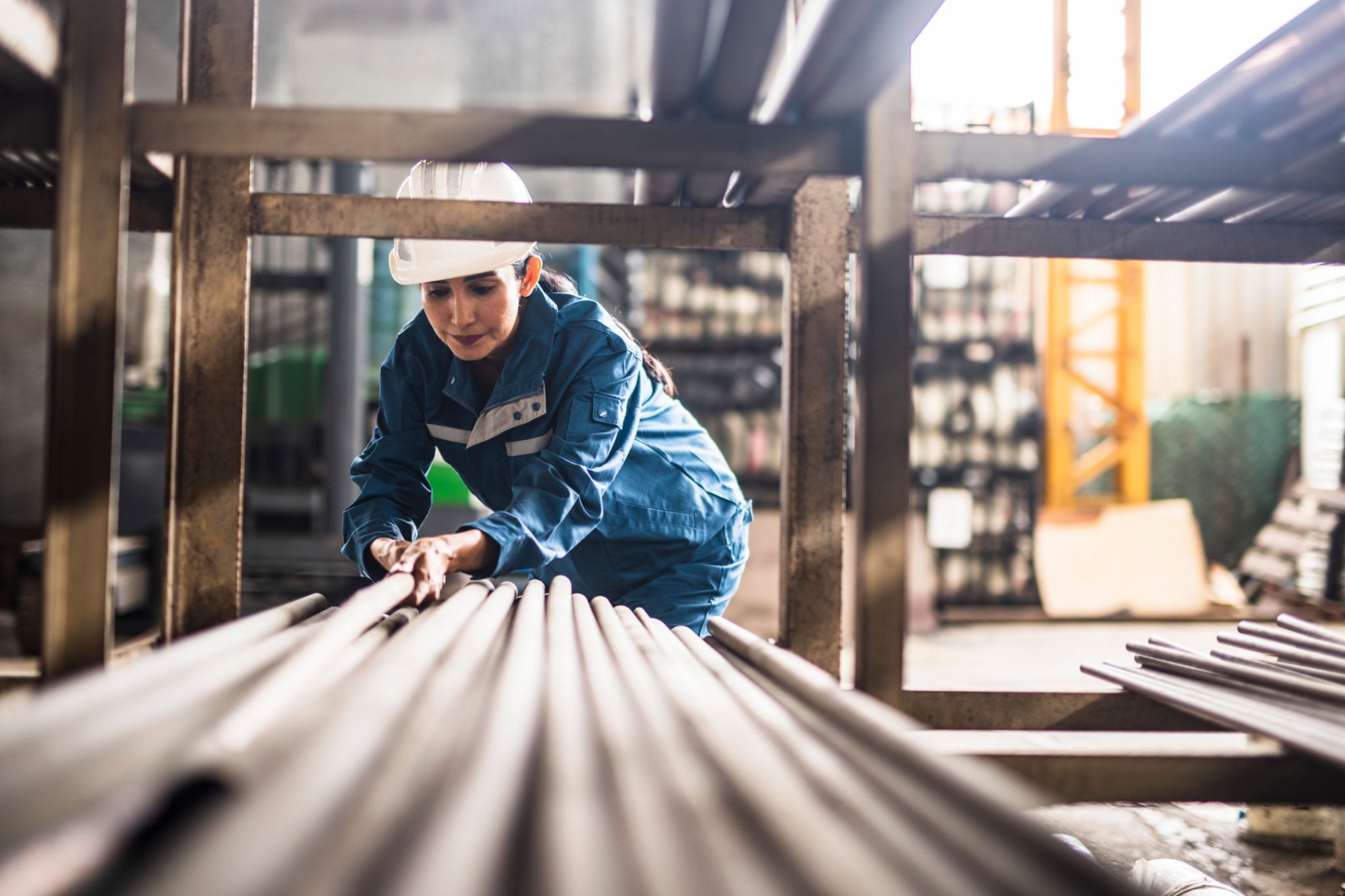
Eco-Friendly Welding Techniques
One of the most significant advancements in sustainable metal fabrication is the development of eco-friendly welding techniques. These methods aim to reduce energy consumption and minimize waste production. Among the popular techniques are:
- Laser Welding: This method uses concentrated light beams to join metals, resulting in precise and efficient welds with minimal energy use.
- Friction Stir Welding: By using frictional heat, this technique joins materials without melting them, reducing energy requirements and emissions.
- Cold Welding: This process relies on pressure rather than heat, making it a sustainable option for certain applications.
Recycling and Waste Reduction
Sustainability in metal fabrication also involves effective recycling and waste reduction strategies. Scrap metal is a valuable resource that can be reused and repurposed, significantly reducing the need for raw materials. Companies are increasingly implementing systems to sort and recycle metal waste, contributing to a circular economy.

In addition to recycling, initiatives to reduce waste at the source are gaining traction. By optimizing design processes and using advanced software, manufacturers can minimize material waste, leading to more efficient production cycles.
Energy-Efficient Technologies
Energy consumption is a critical factor in the sustainability equation. Modern metal fabrication facilities are investing in energy-efficient technologies to reduce their environmental impact. This includes the adoption of renewable energy sources such as solar and wind power to run operations.

Furthermore, the use of energy management systems allows companies to monitor and optimize their energy use, ensuring that resources are used efficiently and sustainably.
The Role of Industry Standards
Industry standards play a vital role in promoting sustainable practices within metal fabrication. Certifications and guidelines encourage companies to adhere to environmentally friendly methods, providing a framework for continuous improvement. Standards like ISO 14001 focus on environmental management systems, guiding companies toward sustainable practices.
By embracing these standards, businesses not only enhance their environmental credentials but also gain a competitive edge in the market, appealing to an increasingly eco-conscious consumer base.
Conclusion
Sustainable metal fabrication solutions are transforming the industry, offering eco-friendly practices that align with global efforts to combat climate change. By adopting innovative techniques, recycling initiatives, and energy-efficient technologies, companies can significantly reduce their environmental impact while maintaining high-quality production standards.
As the industry continues to evolve, the commitment to sustainability will be crucial in shaping a greener future for metal fabrication. Embracing these practices not only benefits the environment but also enhances operational efficiency and market competitiveness.