Understanding the Myths and Facts About Welding Safety


Introduction to Welding Safety
Welding is a crucial process in many industries, from construction to automotive manufacturing. However, it comes with its own set of safety concerns. Understanding the myths and facts about welding safety is essential for anyone involved in this craft. This post aims to clarify common misconceptions and provide accurate information to promote safer practices.
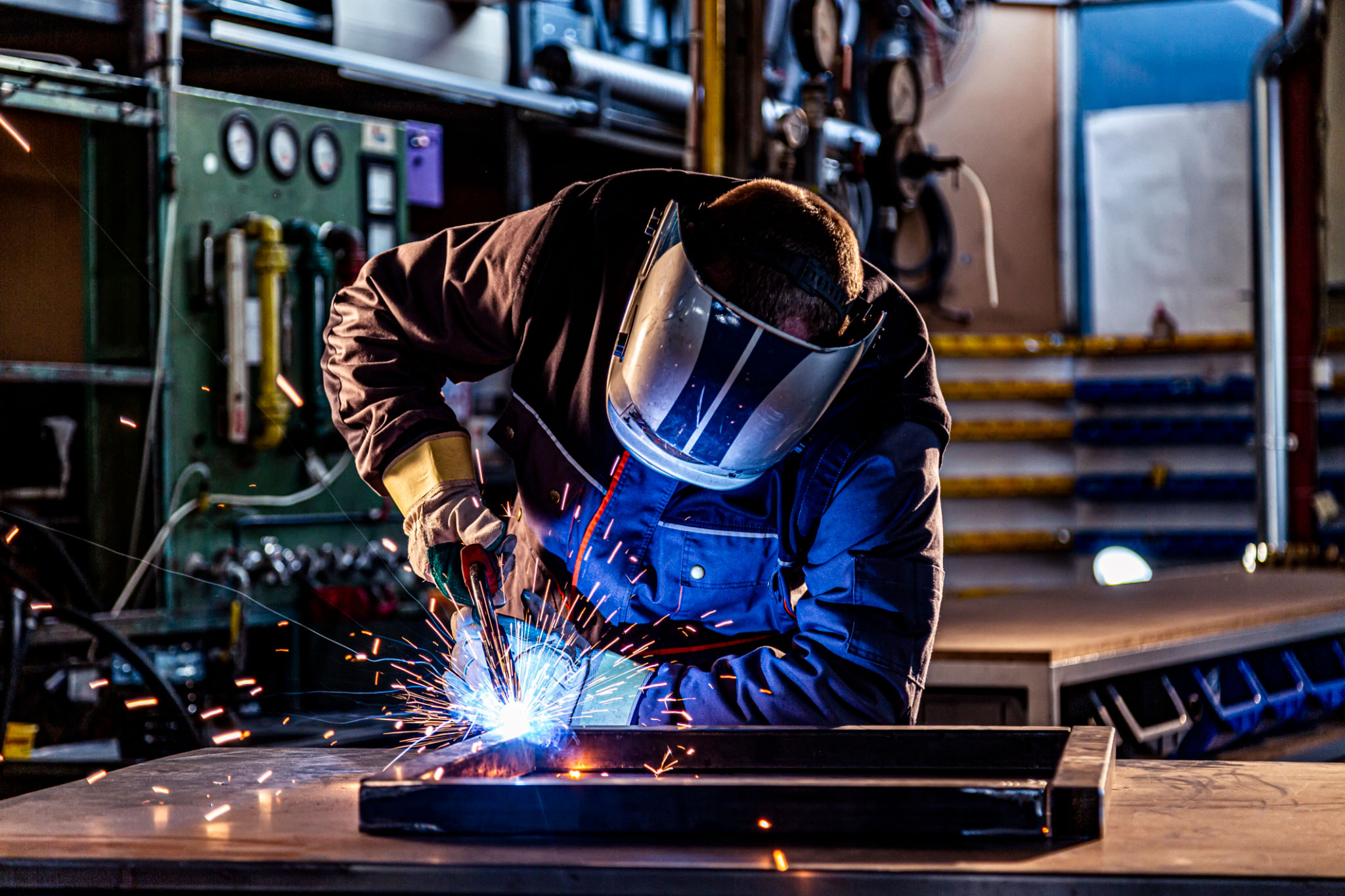
Myth: All Welding Helmets Offer the Same Protection
One common myth is that all welding helmets provide equal protection. In reality, helmets vary significantly in their features and levels of protection. It's important to choose a helmet that offers adequate protection against ultraviolet and infrared rays. Look for helmets with adjustable shade settings and auto-darkening features for enhanced safety.
Choosing the Right Helmet
When selecting a welding helmet, consider factors such as the type of welding you'll be doing, the working environment, and your personal comfort. A well-fitted helmet not only improves safety but also enhances your welding performance.
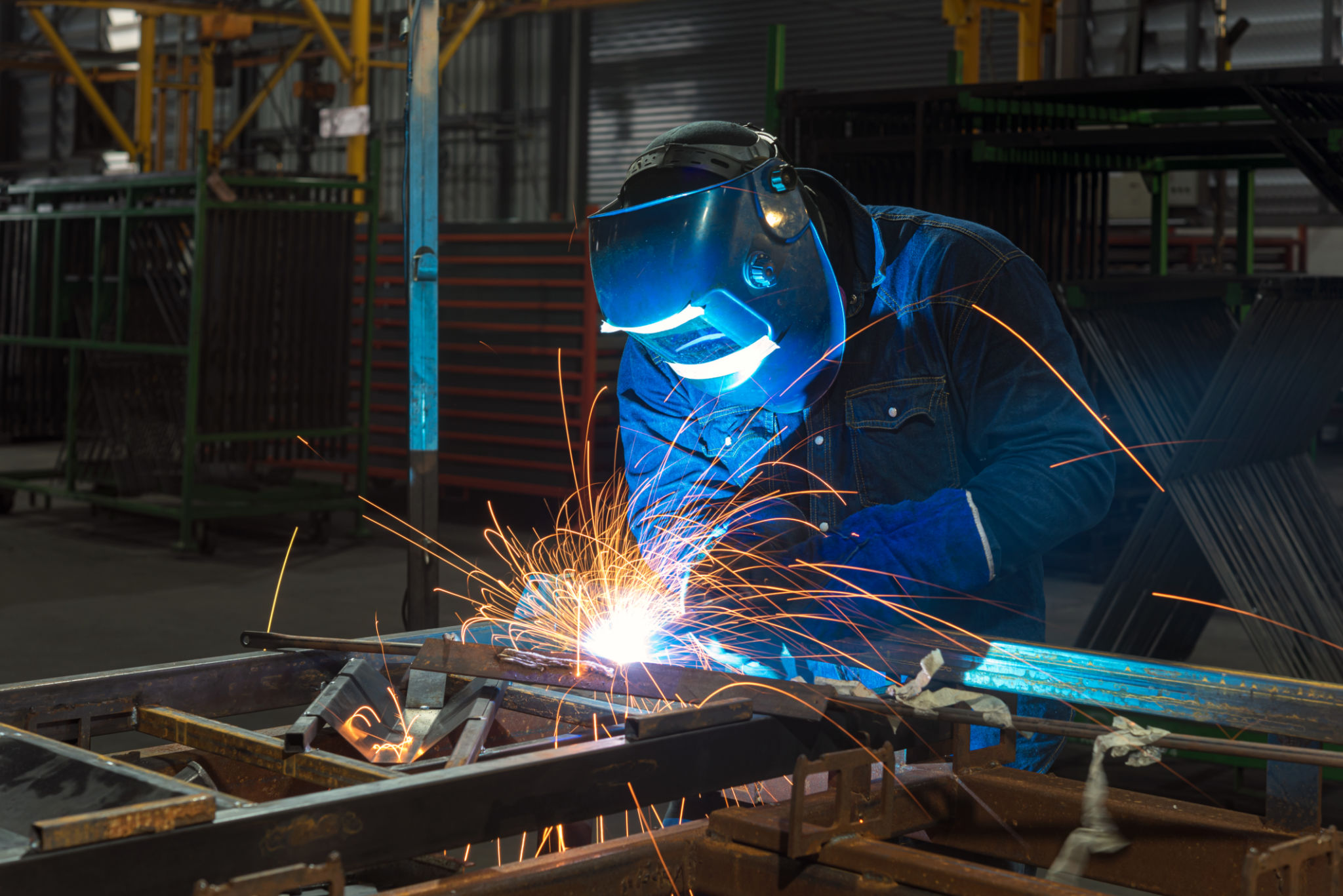
Fact: Proper Ventilation is Essential
A fact often overlooked is the necessity of proper ventilation in welding environments. Welding fumes can be hazardous, containing toxic metals and gases that pose serious health risks. Ensuring adequate ventilation helps minimize these risks and protects workers from respiratory issues.
Implementing Ventilation Solutions
Employers should invest in local exhaust ventilation systems and ensure that workers are trained to use them effectively. Personal protective equipment, such as respirators, can also be used as an additional safety measure.

Myth: Only Large Projects Require Safety Gear
Another misconception is that safety gear is only necessary for large welding projects. In truth, protective gear is crucial for all welding tasks, regardless of size. Even small projects can expose workers to harmful sparks, fumes, and radiation.
Essential Protective Gear
Basic protective gear includes gloves, aprons, and safety glasses. Each piece plays a critical role in preventing injuries and should be worn consistently during any welding activity.
Fact: Regular Training Reduces Risks
Continuous training and education are vital in maintaining a safe welding environment. Regular training sessions help workers stay informed about the latest safety standards and techniques, reducing the likelihood of accidents.
Benefits of Ongoing Education
By investing in regular training, companies not only enhance safety but also improve efficiency and productivity. Workers who are well-versed in safety practices are more confident and capable in their roles.

Conclusion
Understanding the myths and facts about welding safety is critical for anyone involved in this field. By debunking misconceptions and embracing the facts, we can create safer, more productive working environments. Remember, safety should always be the top priority, regardless of the size or scope of the project.